


MEGA
Mega Ltd
I use cloud storage differently from a simple folder on my phone. I want files available on more than one device, but I also want a clear idea of who controls access and how much effort the service will demand every day. MEGA fits that balance well. It is a free productivity app from Mega Ltd, built around cloud storage with a strong privacy focus, and it feels most useful when I treat it as a repeatable file routine rather than a place to dump everything.
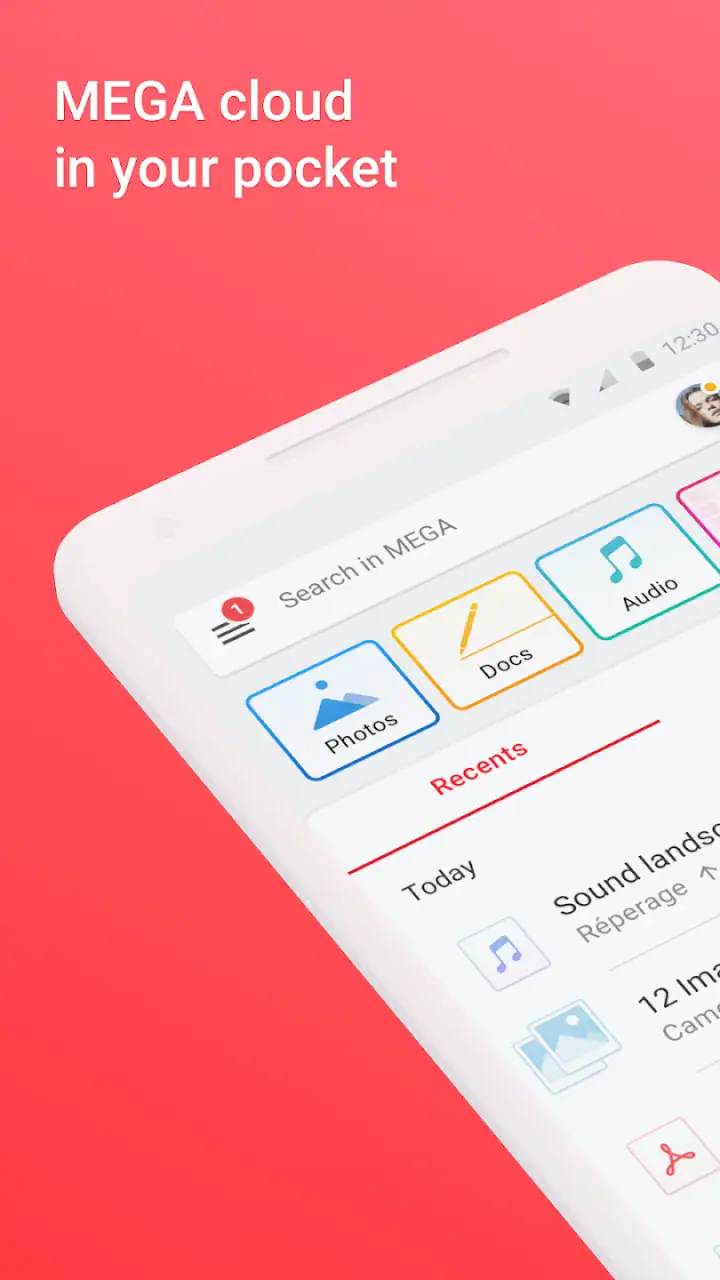
My first impression was that the app is easy to understand: create or sign in to an account, browse the cloud drive, upload files, and share selected items when needed. The useful part begins after that basic setup. With a few habits, I can keep phone photos, work documents, scans, and personal folders separate instead of turning the cloud into one large, confusing drawer. MEGA works best when privacy and deliberate organization matter more to me than having the most deeply integrated office ecosystem.
Building a dependable everyday workflow
The simplest way I use MEGA is as a second home for files I need away from my main device. I create folders according to how I actually retrieve things, not according to the order in which I uploaded them. For example, a folder for current projects is more useful than a long list of files named with vague words such as “document” or “scan.” This sounds obvious, but it makes the mobile app much faster to live with because searching becomes a backup rather than the only way to find anything.
Related News

Evernote's Comeback: The Note Organizer Revolutionizing Productivity

Evernote's Strategic Surge: A New Era in Productivity
A realistic example is a weekend trip. I may keep reservation documents, identification scans, offline reference files, and selected photos in separate folders. During the trip, I can open the documents from my phone without relying on a laptop. Afterward, I can move the photos into a dated archive and remove temporary material. That small cleanup habit prevents the account from becoming a permanent storage area for files I only needed once.
Uploading from a phone is especially useful for paperwork. I can photograph a receipt, warranty, signed form, or school document and place it in the appropriate cloud folder while the context is still fresh. The important discipline is to rename it immediately. A name such as “2025-03 appliance receipt” is far more helpful months later than the default camera filename. MEGA does not remove the need for good file management; it rewards it.
Latest News

Uber Eats Under Pressure: What Happens When Delivery Goes Wrong

How QR & Barcode Scanner Adapts to Android and iOS Innovations

Why Waze Navigation & Live Traffic Is Your Essential Travel Companion
CapCut Mastery: Unleash Hidden Features for Pro-Level Editing

How OS Updates Enhance Roblox Adventures

Teacher Simulator: Exam Time Turns Quick Classroom Judgments into a Repetitive Loop
I also prefer to decide in advance which files are truly worth syncing or uploading. Large videos and repeated downloads can make a cloud account feel cluttered quickly. For personal archives, I keep the original files in a structured folder and use smaller copies only when I need to send something to someone. For active work, I keep one clearly named current version and move older versions into an archive folder instead of leaving several nearly identical files beside it.
The app is available at no charge, which makes it approachable for people who want to try a privacy-oriented cloud service without committing money first. It carries an Everyone age rating, so the interface is suitable for a broad audience. The free starting point is convenient, but I would still check my storage habits before moving an entire photo library or a large video collection there. Free access is not the same as unlimited capacity, and a thoughtful folder strategy matters more as the account grows.
Sharing without losing track of the original
Sharing is one of the areas where I slow down. When I need to send a file, I first decide whether the recipient needs one item or an entire folder. A single-file share is easier to understand and less likely to expose unrelated material. If several files belong together, I make a dedicated folder containing only those items. That extra step is worthwhile because it separates the shared package from my private working area.
Gallery
I also avoid using a permanent personal folder as a public exchange point. A better pattern is to create a temporary folder for a specific purpose, place the final files inside, and remove or reorganize it when the exchange is finished. This reduces accidental oversharing and makes old links easier to audit. The app is privacy-minded, but privacy still depends on the choices I make when creating and distributing access.
For collaboration, I would not assume that cloud storage alone replaces a full project-management system. MEGA is good at holding and distributing files, while conversations, task ownership, approvals, and detailed editing workflows may be more comfortable elsewhere. I use it as the controlled file layer, not as a substitute for every tool my team might need.
Settings and habits worth checking
The first settings I review are the ones that affect mobile data and background activity. Automatic uploads can be convenient, but I prefer to understand when they happen and which folders are included. On a limited mobile plan, a large photo or video upload can be an unpleasant surprise. I normally reserve heavy transfers for Wi-Fi and keep automatic behavior narrow until I am confident that the workflow matches my needs.
Notifications deserve the same attention. A cloud app can become noisy if every transfer, share, or account event produces an alert. I keep notifications useful rather than allowing them to interrupt the day. If I am waiting for a large upload, a progress notification can help; if I am not actively managing files, constant alerts add little value.
Security settings are not something I treat as a one-time checkbox. I use a strong, unique password and keep recovery information somewhere safe. A privacy-focused service can protect the storage process, but losing account access can still be serious. I would rather spend a few minutes documenting my recovery details than discover later that an old phone or forgotten password has become the only route to important files.
It is also worth checking how files behave locally. I do not mark everything for offline use. Offline copies are useful for travel documents, reference manuals, or a small set of files needed where connectivity is unreliable. Keeping the offline selection small saves device space and makes it obvious which material I intentionally prepared for use away from the internet.
One practical setting habit is to review the camera-upload destination instead of accepting a messy default forever. Photos are often the largest and least organized part of a personal cloud. I prefer a clear destination and a monthly cleanup routine: remove duplicates, separate screenshots from photographs, and move important images into named folders. This is not glamorous, but it turns automatic backup into something I can actually use.
Privacy is helpful, but it changes the workflow
MEGA’s privacy emphasis is a genuine reason to choose it, especially for people who are uncomfortable treating cloud storage as an ordinary extension of a social or office account. The trade-off is that privacy-oriented storage can require more care around sharing, recovery, and account management. I do not see that as a flaw, but I would not recommend the app to someone who wants every file, contact, calendar, and document editor to blend into one effortless ecosystem.
For sensitive material, I use descriptive folder names without putting unnecessary private details in the name itself. I also avoid sharing an entire parent folder simply because it is convenient. A smaller, purpose-built folder gives me better control and makes it easier to understand what another person can see.
Another useful habit is to keep a second copy of irreplaceable files in a separate location. Cloud storage is valuable, but I do not regard one account as a complete backup strategy. Family photos, legal records, and original creative work deserve a second form of protection. MEGA can be one part of that plan, not the only part.
Faster patterns for repeat users
Once the basic routine is stable, shortcuts come from reducing decisions. I use consistent folder templates for recurring work: an incoming folder, a working folder, a final folder, and an archive. The exact names are less important than using the same structure each time. When I return to the app after several weeks, I know where a new upload belongs instead of rebuilding the system from scratch.
Search is most effective when filenames carry useful information. I include a date, subject, and status where appropriate, but I avoid making names so long that they become difficult to read on a phone. For example, a short project code followed by the document type and status can be enough. This turns the app’s search field into a practical retrieval tool rather than a desperate attempt to remember where I placed something.
I also separate “send” from “store.” Before sharing, I make a clean copy or a clean folder containing the exact version intended for someone else. That prevents an unfinished draft from being mistaken for the final document. It also makes later cleanup easier because I can identify exchange material without disturbing my main archive.
For regular phone uploads, I use a scheduled review rather than checking every file immediately. I let routine material arrive, then sort it during a short weekly session. Important documents are renamed at once; ordinary photos can wait. This approach keeps the app from becoming another source of constant micro-tasks while still preventing months of accumulated disorder.
When I need a file quickly, I think about the destination before opening the app. If I am sending it to one person, I look for the smallest relevant item. If I am preparing a presentation or trip, I gather the required files into one temporary collection. This simple distinction saves time and reduces the chance that I will share a whole folder when only one document was needed.
Where it differs from familiar alternatives
Compared with a service chosen mainly because it is built into a phone or office suite, MEGA feels more independent. That can be a benefit if I want storage that is not tied to one manufacturer’s ecosystem or if privacy is a major part of my decision. The downside is that people who spend their day editing shared documents, managing calendars, and collaborating inside one office platform may find another service smoother for that particular workflow.
Compared with a basic file-transfer tool, MEGA is more suitable for maintaining an organized personal cloud over time. A transfer service is often ideal when I need to send a large item once. Here, the stronger use case is keeping a structured collection available across devices and returning to it later. I would choose the simpler transfer option for a one-off delivery if I did not need an ongoing archive.
Compared with a traditional backup application, the experience is more hands-on. I can decide what belongs in the cloud and how it is arranged, but that also means I must pay attention to folders, uploads, and cleanup. Someone seeking completely automatic device protection may prefer a dedicated backup solution. Someone who wants visibility and control over individual files may appreciate this approach more.
Limits that matter before committing
The biggest limitation in daily use is not a missing button; it is the responsibility that comes with managing cloud files carefully. Uploading is easy, but deciding what should remain online, what should be offline, and what should be deleted takes ongoing attention. If I ignore that work, the account becomes harder to search and sharing becomes riskier.
Large media collections also require realistic expectations. Video files can consume cloud space quickly, and mobile uploads can take patience depending on the connection. I would not move a huge archive without first organizing it locally and deciding which material deserves long-term storage. A cloud account is not a magic replacement for an archive plan.
There is also a learning curve around privacy-conscious sharing. I need to understand the difference between storing a file for myself and creating access for another person. That extra thought is welcome for sensitive files, but it may feel slower to someone accustomed to instantly sending everything from a familiar messaging or office app.
The app has earned a 4.6 average from around 1.6 million ratings, and it has passed over 100 million installs. Those figures suggest that it is not a niche experiment, but popularity does not eliminate the need to match the workflow to the user. Its 16 thousand reviews show a large body of user discussion, yet my decision would still depend on whether I value privacy and file control more than deep integration with another platform.
Although the app is free to install and use, in-app purchases range from $5.49 to $366.62 per item. I would treat upgrades as a decision based on actual storage needs, not as something to buy immediately. Before paying, I would clean duplicates, remove temporary shares, and estimate how much material I genuinely need online. Better organization can delay an upgrade, while a growing archive may eventually make additional capacity worthwhile.
The app was released on February 8, 2016, and its long presence helps explain why it feels like an established storage product rather than a brand-new experiment. Still, I would keep my expectations focused on cloud file management and privacy. If my priority is advanced document editing, team chat, or a complete productivity suite, I would look at a more integrated alternative and use MEGA only where its storage strengths fit.
My verdict after settling into the routine
I recommend MEGA to people who want a straightforward cloud file system with privacy at the center and who are willing to develop a few repeatable habits. It is particularly useful for moving documents between phone and computer, keeping a controlled personal archive, preparing carefully limited shares, and storing files that I do not want tied entirely to one office or device ecosystem.
I would steer away from it if I wanted a service to organize my entire digital life automatically, or if my work depended on constant simultaneous editing and built-in collaboration tools. In those cases, a more integrated platform may save time even if it offers less control over the storage experience.
My preferred routine is simple: create purposeful folders, review upload behavior, keep offline files selective, share from temporary collections, and maintain another copy of irreplaceable material. Those habits make the app feel faster and safer than using it as an unplanned dumping ground. The real strength is not merely storing files; it is giving me a manageable way to decide where each file belongs and who should receive it.
For a free productivity app from Mega Ltd with an Everyone rating, MEGA offers a convincing starting point for privacy-aware cloud storage. I would begin with a small, meaningful set of files, test my upload and sharing routine, and only then consider expanding it into a larger archive. Used that way, it becomes a dependable part of my file workflow rather than another account I have to maintain without a clear purpose.
After using it with that mindset, MEGA feels like a good recommendation for the careful organizer, the privacy-conscious phone user, and anyone who regularly needs the same files on different devices. It is less compelling for people who want invisible automation or a full office suite, but for controlled cloud storage, I find its deliberate approach worthwhile.
FAQs for MEGA
What is MEGA and how does it work?
MEGA is a cloud storage service that provides secure file storage and sharing. It offers end-to-end encryption, ensuring your files are safe from unauthorized access. Users can upload, download, and share files easily across devices. To get started, simply create an account, and you'll receive a generous amount of free storage space.
Is MEGA available on both Android and iOS?
Yes, MEGA is available on both Android and iOS platforms. The app can be downloaded from the Google Play Store for Android devices and the Apple App Store for iOS devices. Once installed, users can access their files on the go, upload new content, and share links directly from their mobile devices.
What are the storage options and pricing for MEGA?
MEGA offers a range of storage plans to fit different needs. The free plan includes a generous amount of storage to start with, and users can upgrade to Pro plans for more space and additional features. Pro plans vary in price and include options for monthly or annual billing, catering to both individuals and businesses.
How secure is MEGA for storing sensitive data?
MEGA is highly secure, thanks to its end-to-end encryption. This means that files are encrypted on the user's device before they are uploaded, making them inaccessible to anyone without the decryption key. MEGA’s security model ensures that even MEGA cannot access your data, offering peace of mind for storing sensitive information.
Can I share files with non-MEGA users?
Yes, MEGA allows you to share files with non-MEGA users easily. You can generate a shareable link for any file or folder, which can be sent to others via email or messaging apps. Recipients can access the files through the link without needing a MEGA account, making collaboration straightforward and efficient.
Pros
- Generous 20GB free storage on signup.
- Strong end-to-end encryption for files.
- User-friendly interface with smooth navigation.
- Cross-platform support for seamless access.
- Collaborative features for team projects.
Cons
- Limited free transfer quota can be restrictive.
- Occasional sync issues with large files.
- No built-in document editing tools.
- Paid plans can be pricey for individuals.
- Advanced features require premium plans.


